Hair-by-Hair Eyebrow Micropigmentation: The Complete Guide to a Natural Look in 2026
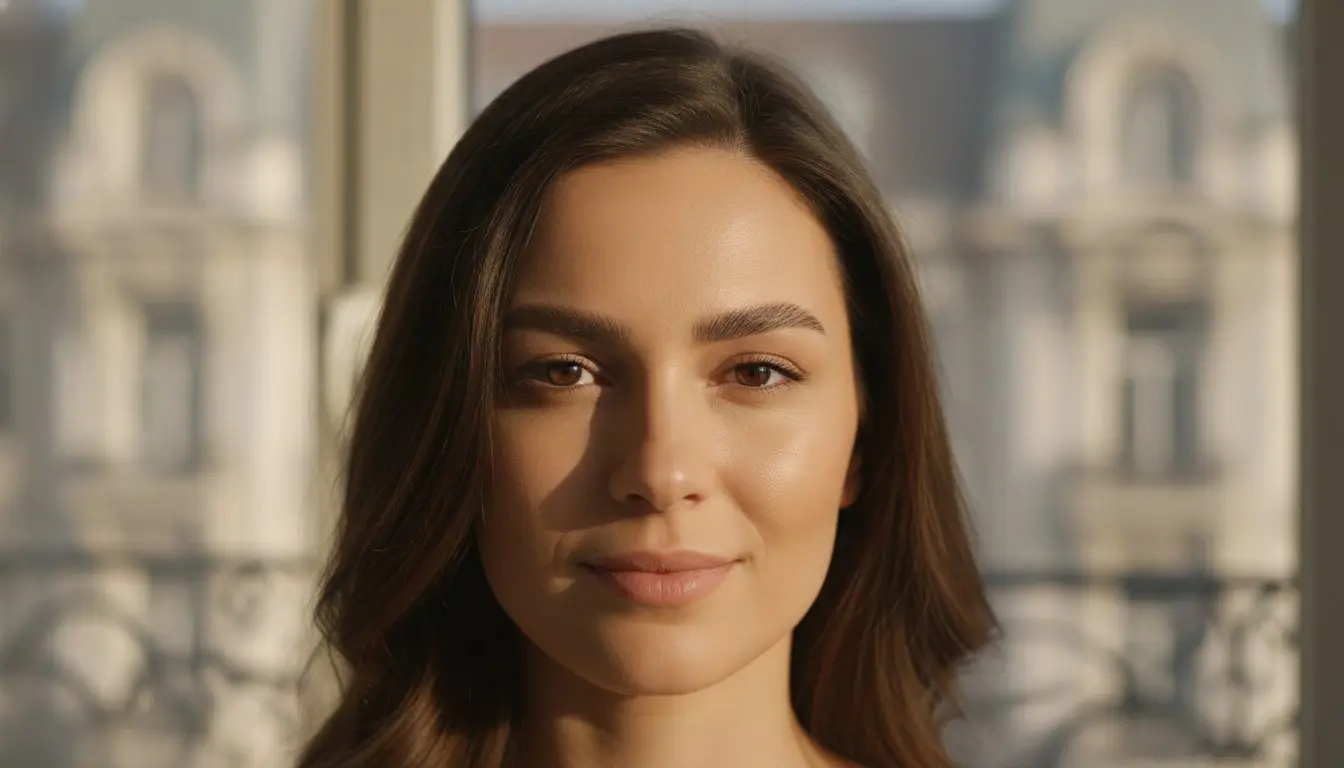
Imagine that morning when you wake up, look in the mirror and see an already contoured gaze, without touching a pencil or eyeshadow. In pursuit of this ideal, techniques that mimic natural hairs – whether manually, through Microblading, or mechanically, through hair-by-hair micropigmentation (Nanoblading) – have become some of the most sought-after aesthetic treatments. The promise of rebuilding the eyebrow by drawing lines is undoubtedly appealing.
However, in 2026, facial aesthetics have evolved. Dermopigmentation specialists and dermatologists alike are bringing into discussion not just the immediate result, but also the long-term impact on skin health. Although the hair-by-hair technique has its fans, it is crucial to understand the mechanical and medical difference between it and modern alternatives, such as Powder Brows or Ombre, before making a decision for your face.
What is Microblading from a medical standpoint?
To understand exactly what these techniques entail, we must look at the process at a microscopic level. Although often confused, they are not identical. Microblading uses a manual instrument equipped with a fine blade, making incisions (fine cuts) in the epidermis. On the other hand, hair-by-hair micropigmentation is done mechanically, with an electric device (dermograph) equipped with a needle that executes rapid movements. Both techniques, however, represent direct mechanical trauma to the skin tissue.
Clinical studies and dermatologists from the American Academy of Dermatology (AAD) draw attention to a phenomenon called fibrosis (micro-scarring). At the first procedure, the skin can heal beautifully, especially if you have dry, young skin. But eyebrows require touch-ups every 1-2 years. Repeatedly making incisions in the exact same fragile area inevitably leads to the formation of scar tissue. Over time, the skin becomes harder, no longer retains pigment correctly, and the "hair-by-hair" lines thicken and fade unevenly, often migrating under the skin (the "blowout" effect).
Why does oily skin reject the hair-by-hair technique?
If you have combination or oily skin with enlarged pores, your skin biology is simply not compatible with microblading. Excessive sebum production "washes" the pigment from the incisions during the healing process, and the drawn hairs will dilate, resulting in a diffuse, blurred shadow that often turns to cool, gray shades. This is why many clients who opt for microblading find that the spectacular result disappears in just a few months.
The Evolution: Powder Brows and Digital Dermopigmentation
This is where modern 2026 technology steps in. The Powder Brows (or Ombre) technique completely abandons manual incisions. Instead, it uses a digital device (dermograph) with extremely fine needles that create microscopic pixels on the skin surface. Instead of cutting the skin, the device works like a delicate sewing machine, depositing fine dots of color without breaking the continuous tissue.
Comparative Analysis: Powder vs. Microblading
Understand the difference for your skin health
check_circle Powder Brows Technique
- blur_on Digitally controlled depth: Pigment is implanted through fine pixels without cutting the epidermis. The skin remains intact.
- health_and_safety No micro-scarring: Since there are no incisions, you can have annual touch-ups for decades without destroying your skin texture.
- palette Ideal for all skin types: Including oily skin with enlarged pores, it retains the powdered pigment excellently.
warning "Hair-by-Hair" Techniques (Microblading)
- content_cut Manual incisions: Uses a blade that cuts the skin. High localized mechanical trauma.
- healing Major risk of fibrosis: Repeated touch-ups in the same cuts generate hard scar tissue on the brow bone.
- water_drop Incompatible with oily skin: Sebum dilates the cuts, causing the drawn hairs to "bleed" pigment and appear blurred.
Our Commitment: Skin Health Comes First
Considering clinical studies and the evolution of the aesthetic industry, at our studio we have chosen not to offer classic Microblading services, but instead specialize exclusively in Powder and Ombre techniques. This is an ethical and professional decision meant to ensure you have beautiful results not just today, but 10 years from now, keeping your skin's absolute integrity.
Why do experts recommend Powder Brows?
The big confusion is that clients want a "natural look" and automatically associate this with drawing hairs. In reality, the perfect eyebrows we admire on celebrities or models are overwhelmingly achieved by subtle makeup with powder (eyeshadow). This exact translucent, airy and perfectly contoured makeup effect is recreated by the Powder Brows technique, while microblading imitates the raw hair structure.
Healing in the case of digital dermopigmentation (Powder) is much faster and less painful, precisely because it does not involve splitting the tissue. The scabs formed are microscopic, often unnoticeable, and the risk of infection drops dramatically. Furthermore, the modern organic and hybrid pigments used in powder techniques comply with REACH regulations in the European Union, guaranteeing the absence of any harmful heavy metals.
Choose smart and safe!
Schedule a consultation to discover how the Powder technique can give you the natural eyebrows you dream of, without compromising your skin health.
Book Now View Service Details